6 Sections Your AI Policy Need in 2026
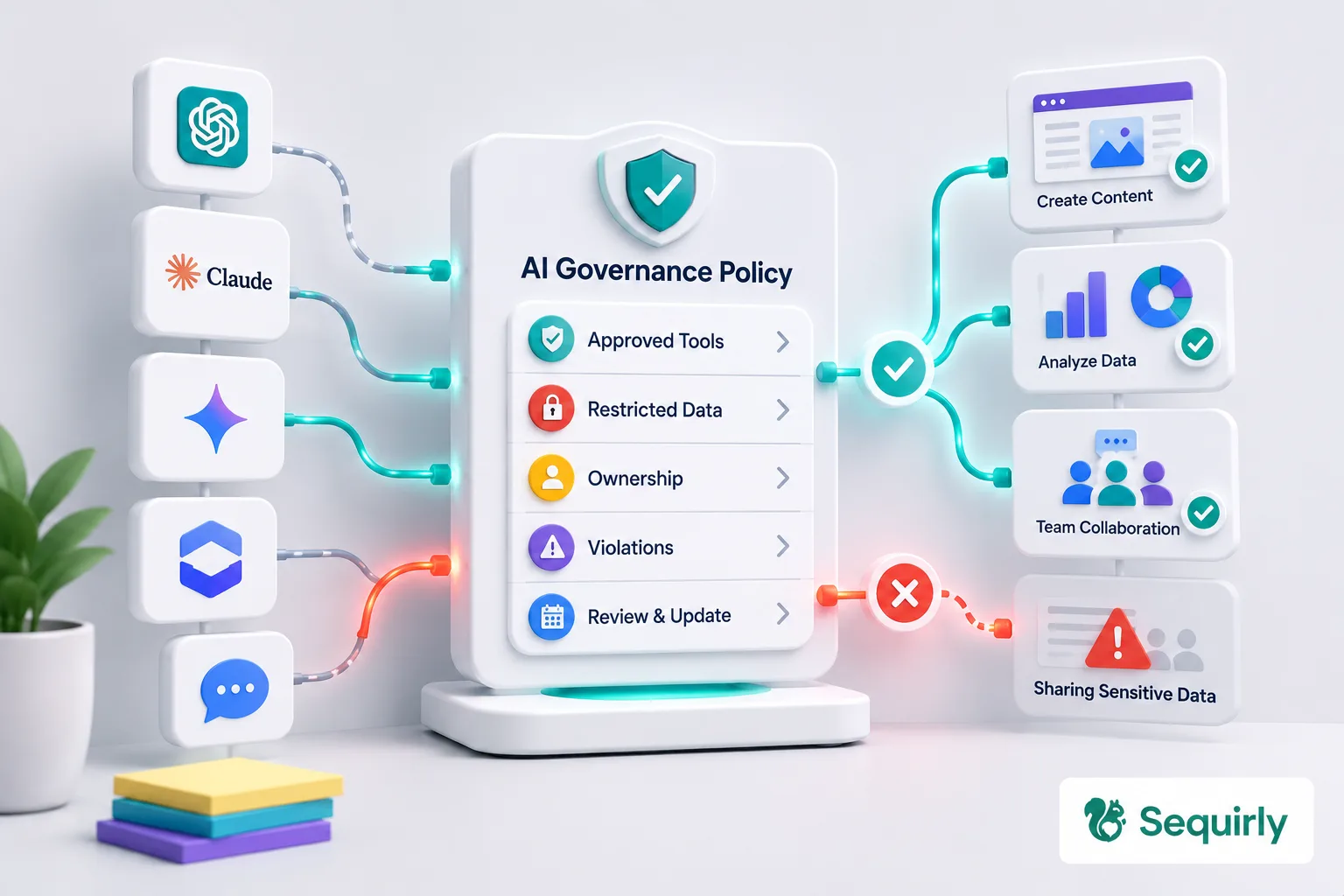
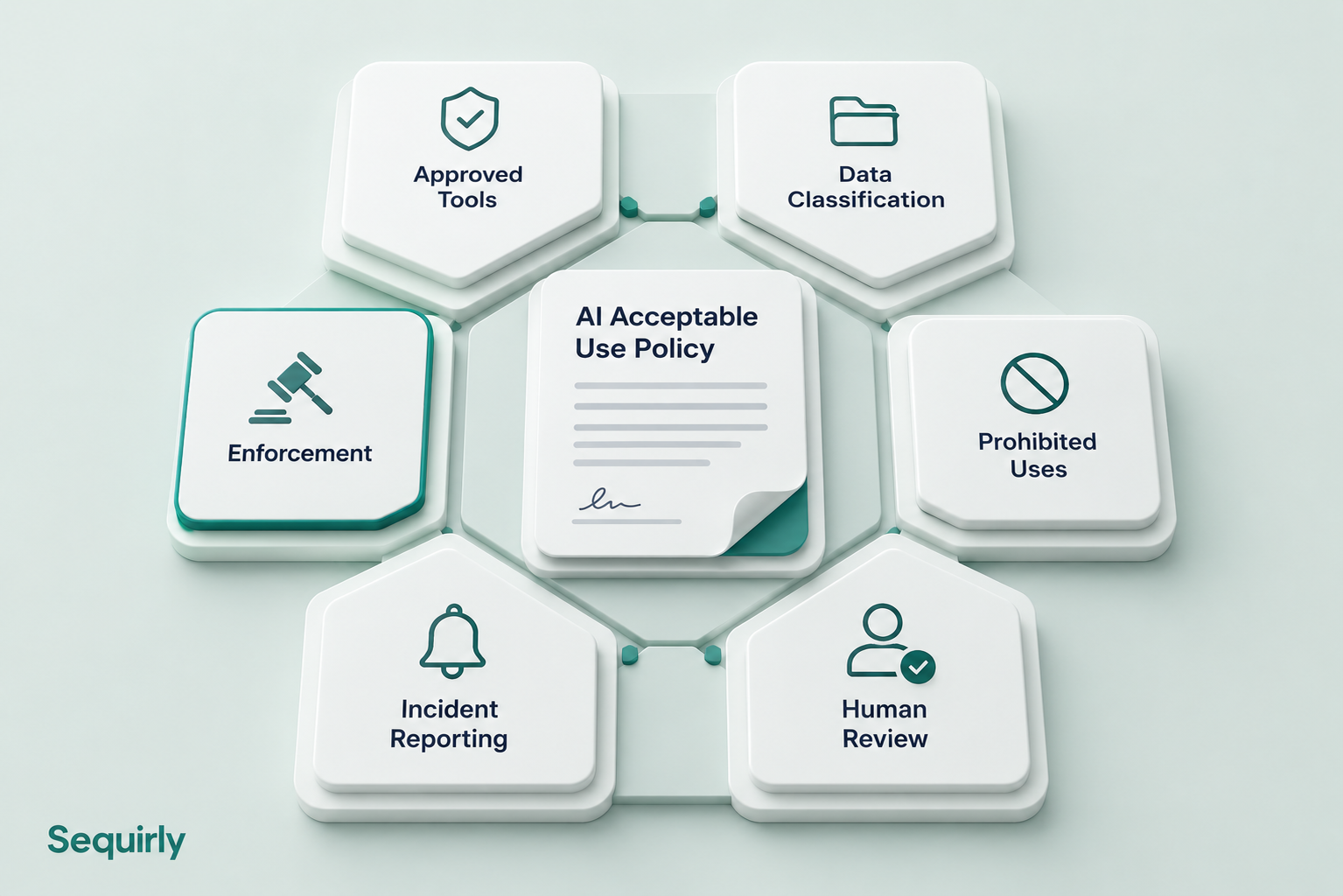
An effective AI acceptable use policy covers six things: approved tools, data classification, prohibited uses, human review requirements, incident reporting, and enforcement.
Insights on AI security, data privacy, and the future of safe human-AI collaboration.

An effective AI acceptable use policy covers six things: approved tools, data classification, prohibited uses, human review requirements, incident reporting, and enforcement.

Knowing your team uses AI tools is not the same as knowing what they share. This 7-day AI security audit gives you the plan for closing that gap.

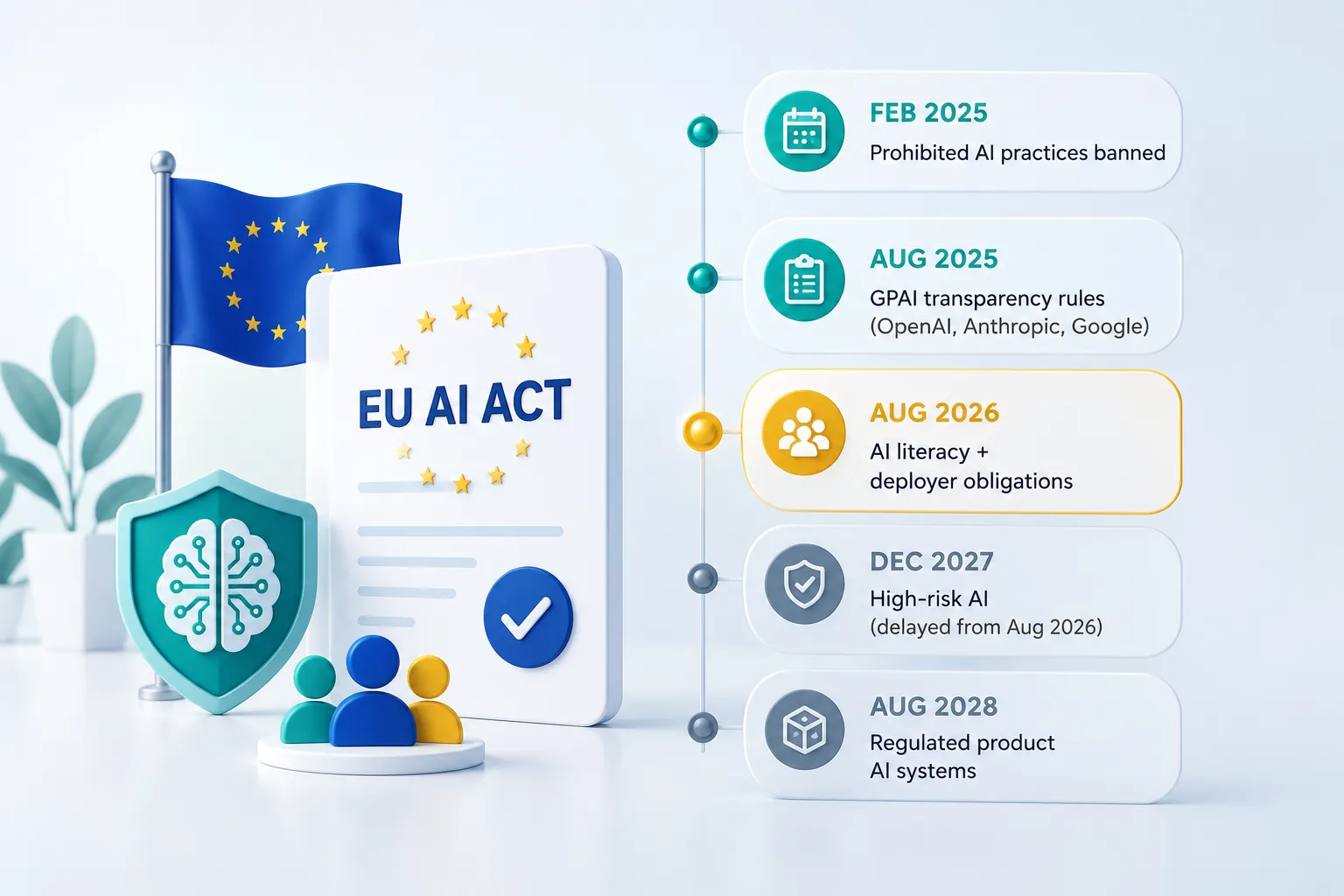
The EU just moved its biggest EU AI Act compliance deadline. What that delay actually means for your team is more specific than the headlines suggest.

Every AI policy template you find online was written for a legal team. Only 23% of companies have a formal security policy to address AI risks.

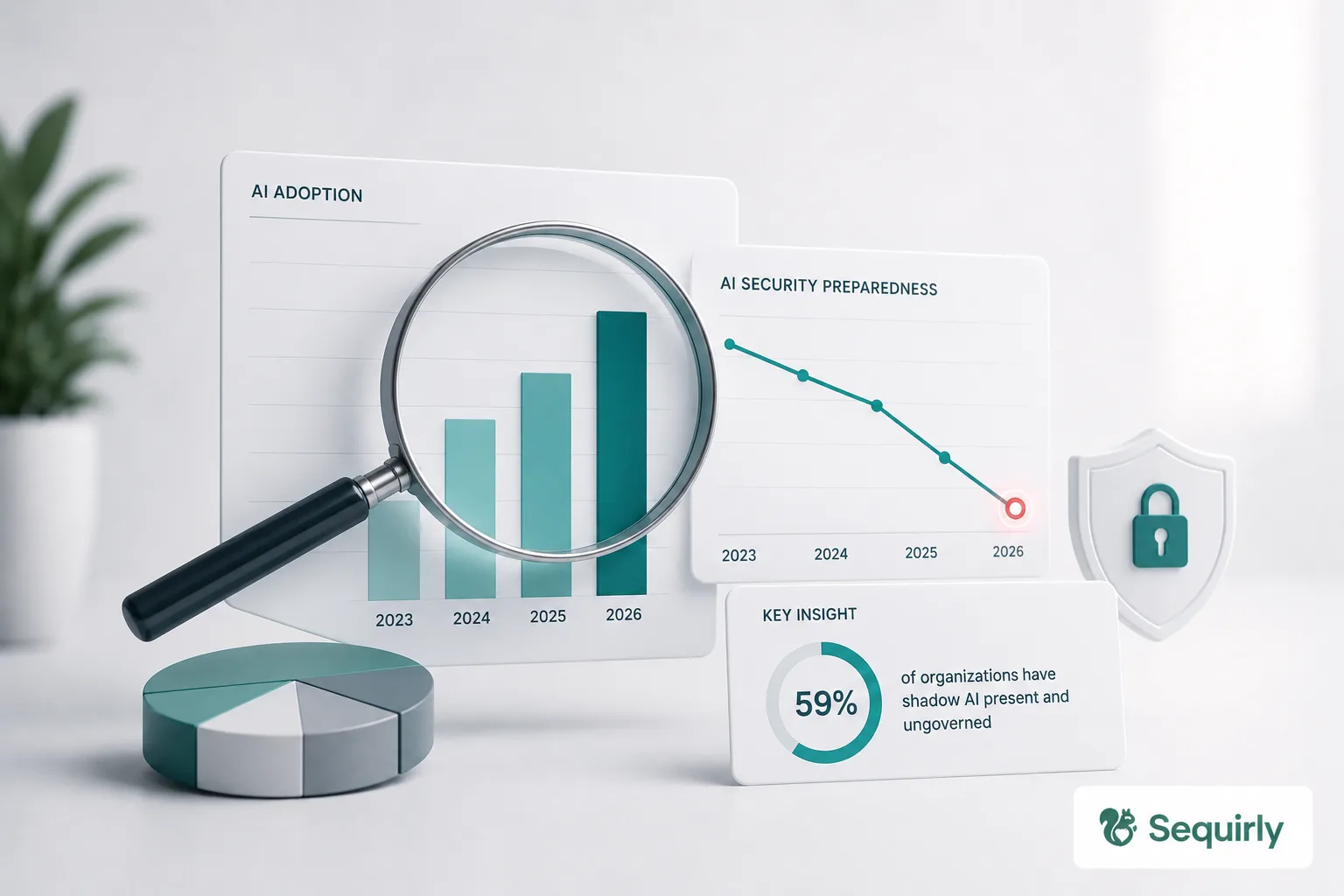
Shadow AI is any use of AI tools your organization hasn't approved or can't see. Here's why it happens, what it costs, and how to get it under control.
Why Shadow AI is the biggest blind spot for small teams, and why the enterprise playbook won't fix it. 75% of workers are already using AI at work, and 78% are bringing their own tools.
AI tools are optimized to remove friction and keep you in a state of flow, allowing you to move quickly and ship efficiently. And that's not a bug, it's the design. You can't train humans to be careful when the tool is designed to eliminate carefulness.
Sequirly catches sensitive data in real-time, before it leaves your browser. Set up in 2 minutes, runs locally, zero training required.
Trusted by 100+ security-conscious professionals. Works entirely in your browser.